Italy · a closer look
Italian drinks & café traditions
Explore five Italian café and soft-drink traditions: espresso, cappuccino, bicerin, chinotto and caffè shakerato.
Five drinks, several experiences
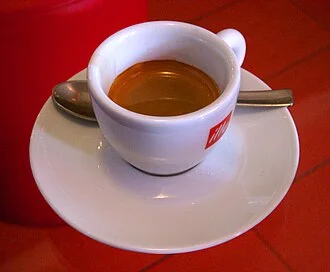
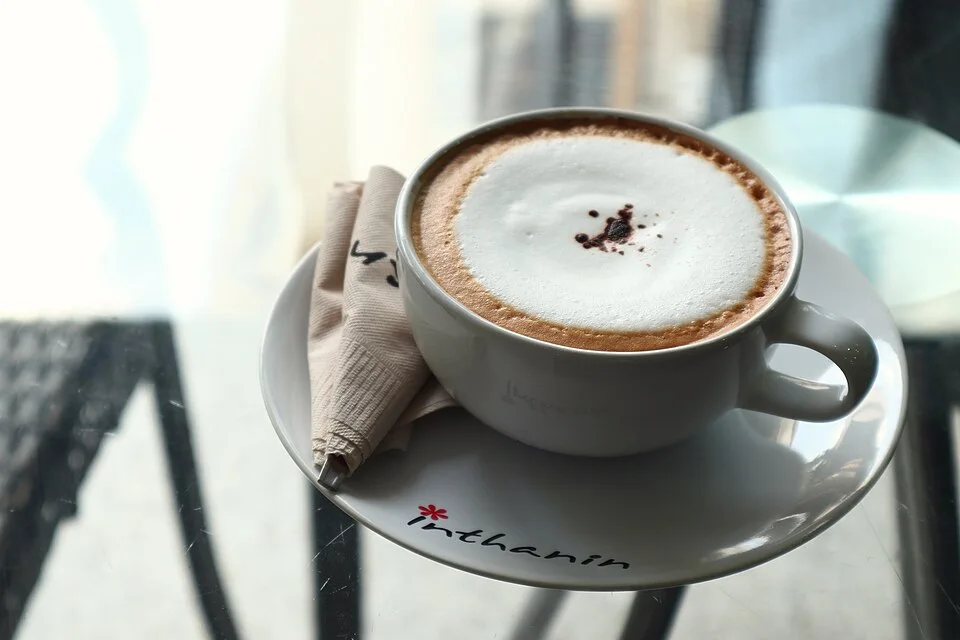
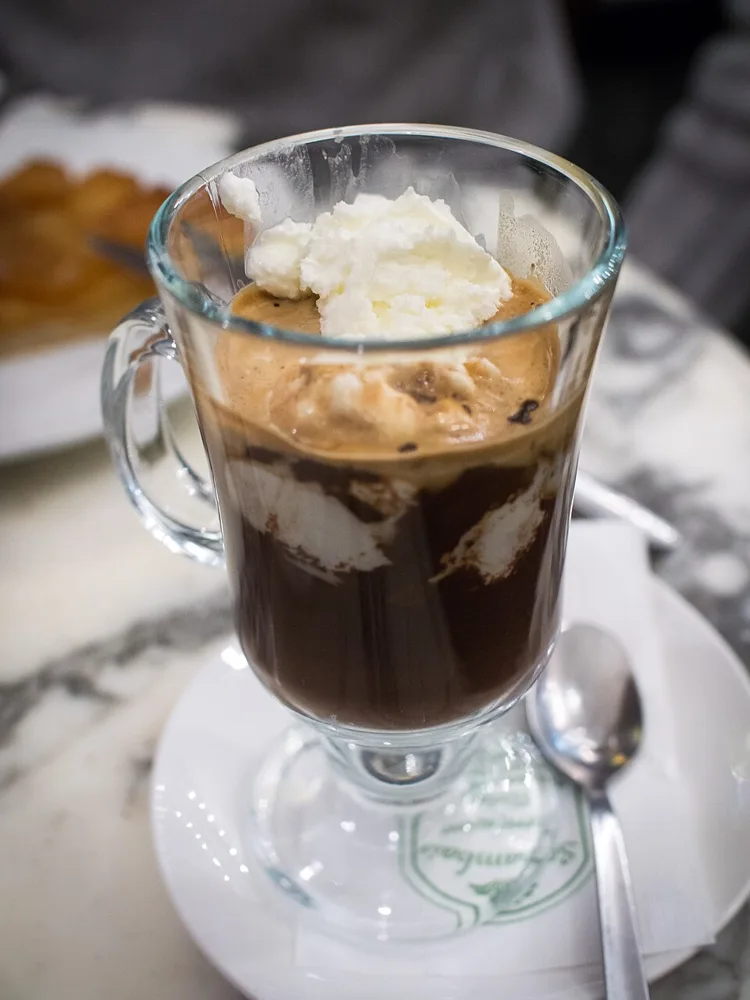
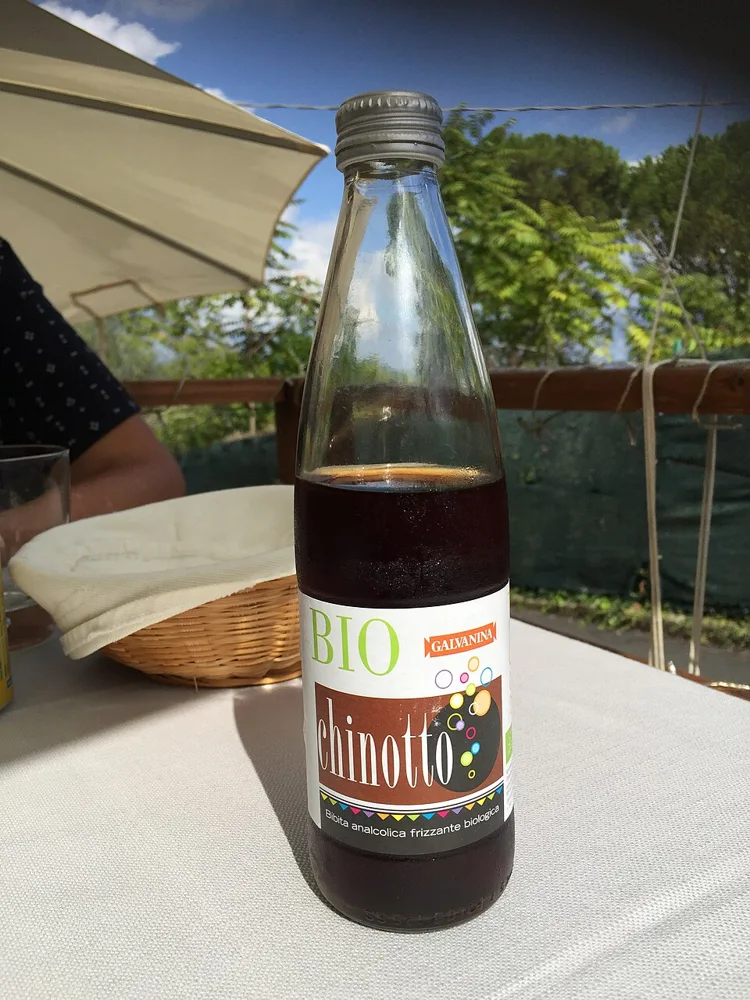
Espresso offers a short, concentrated coffee. Cappuccino adds steamed milk and foam, while bicerin introduces chocolate and a rich dairy component. Shakerato takes coffee in a cold direction, and chinotto supplies a bittersweet carbonated option. This is a starting selection, rather than a complete list of Italian beverages.
A café word needs context
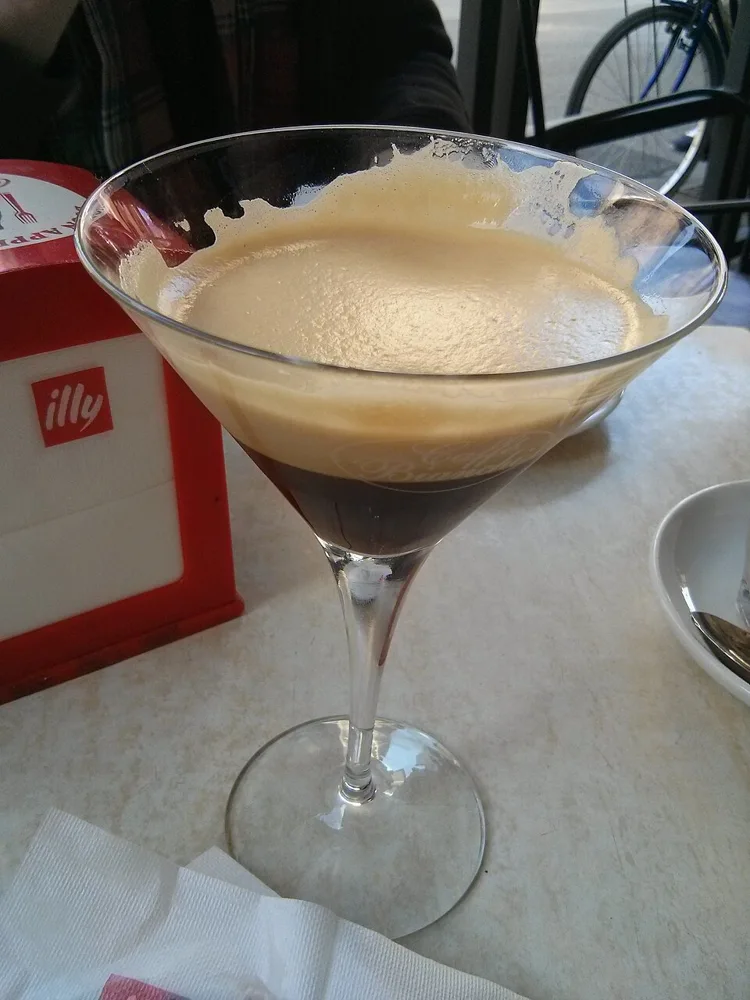
An espresso, a milk coffee and a shaken cold coffee do different jobs on a menu. Size, sweetness and milk choices vary between cafés. A stemmed glass may be used for an alcohol-free coffee drink, while a familiar name can also have versions with liqueur. Ask about the preparation when a particular ingredient matters.
Follow a regional connection
Bicerin is closely linked with Turin, while chinotto fruit and products have strong connections with Liguria. Espresso and cappuccino are widespread, but the food served alongside them can be regional: a pastry, a piece of focaccia or another local breakfast choice. A national label is useful for browsing, but the local setting adds detail.
A few useful distinctions
Is chinotto a type of cola?
It is a distinct bittersweet citrus soft drink. Its dark color does not make it interchangeable with cola, and ingredients differ between producers. The name can also refer to the citrus fruit or to products made from it.
Does caffè shakerato contain alcohol?
A simple preparation uses coffee, ice and optional sweetener, while some versions add liqueur. A stemmed glass does not establish the ingredients. Ask how a particular café makes it.
Is cappuccino only a breakfast drink?
Breakfast is a common setting for cappuccino in Italy. That is a cultural habit, not a rule every person must follow. Regional breakfast foods and individual preferences vary.
Is bicerin just hot chocolate?
It combines coffee, chocolate and a creamy dairy component. The layering and balance distinguish it from plain hot chocolate or a standard milk coffee. The historic Turin café has its own guarded formula, and other versions may differ.