Italy · a closer look
Italian desserts & regional sweets
Discover 10 Italian sweets, from Sicilian cannoli and granita to Piedmontese panna cotta, Milanese panettone and the pastries of Campania.
Begin with a region
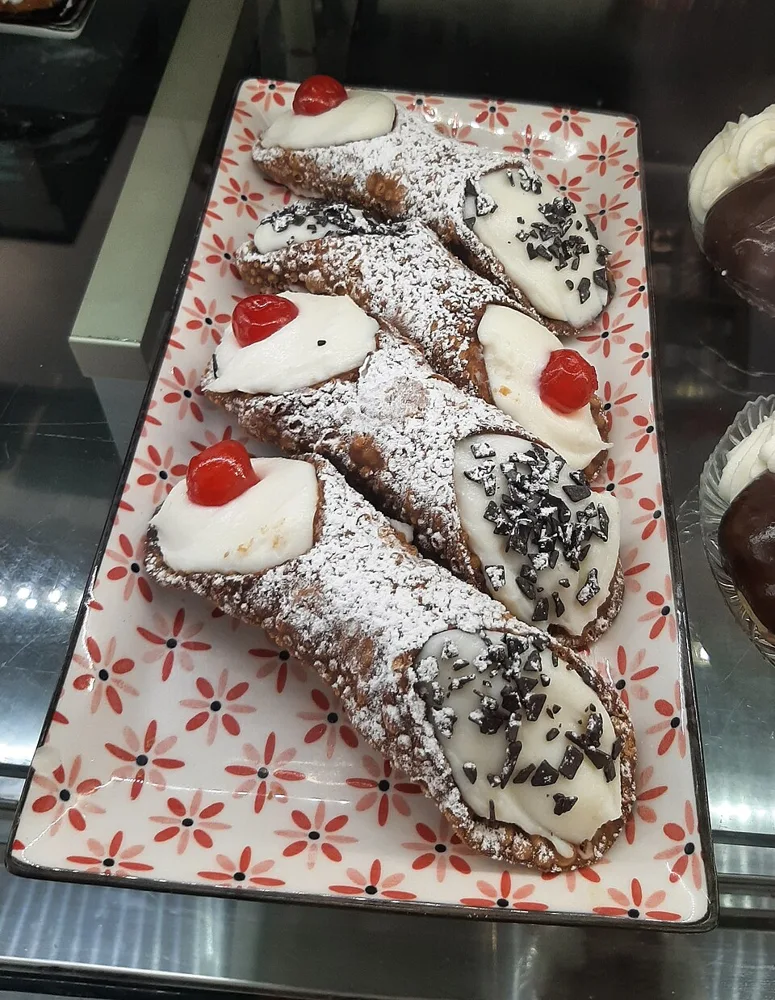
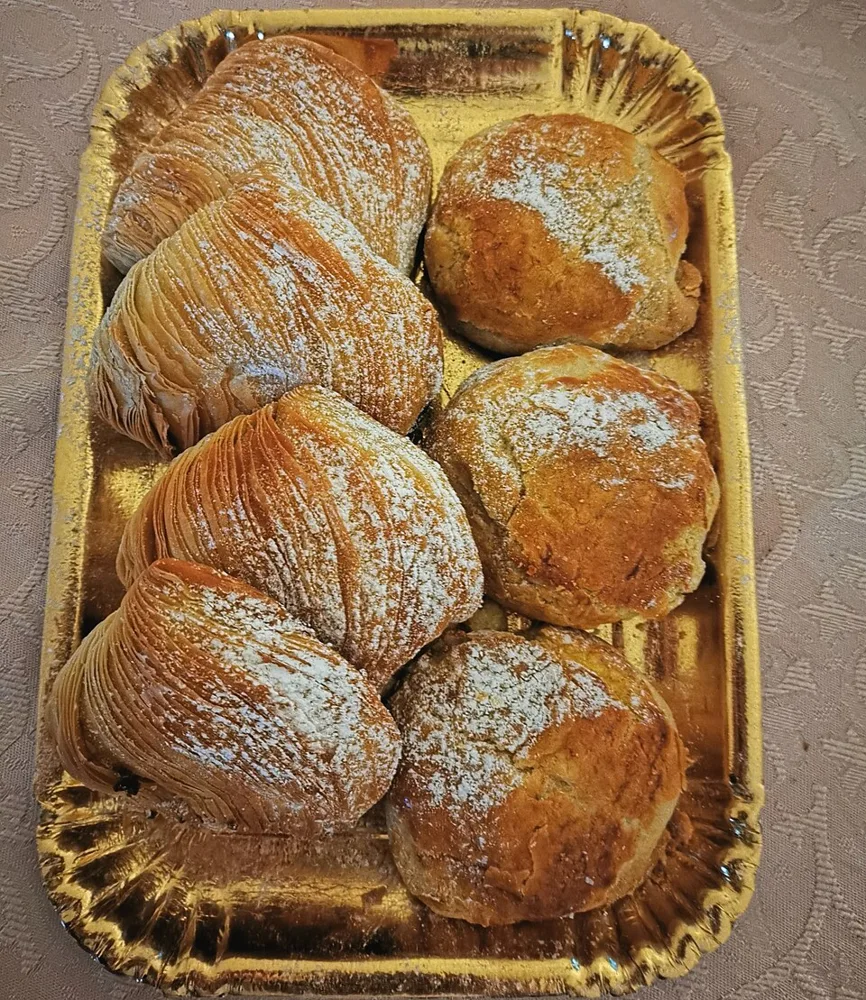
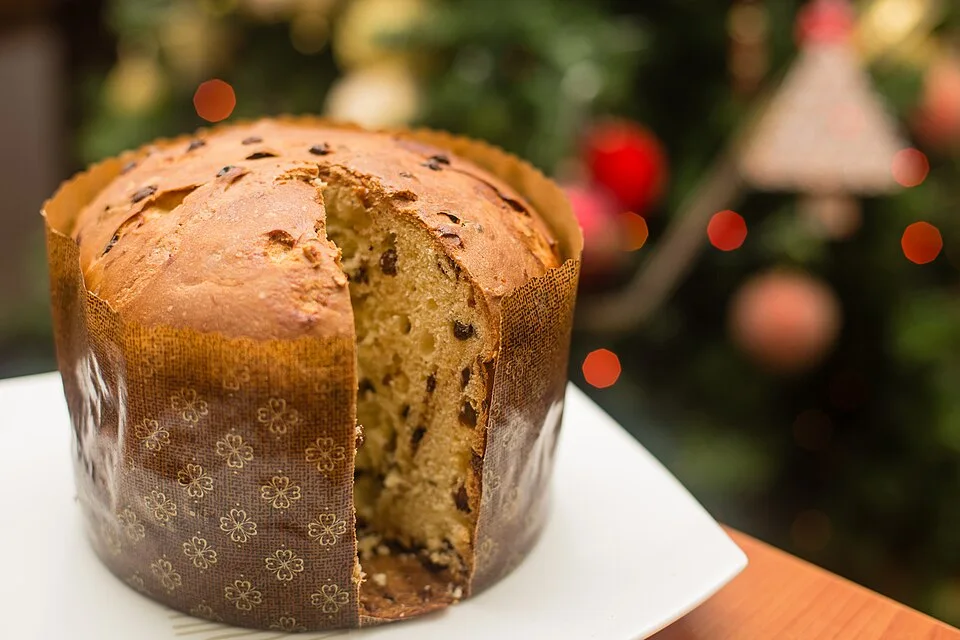
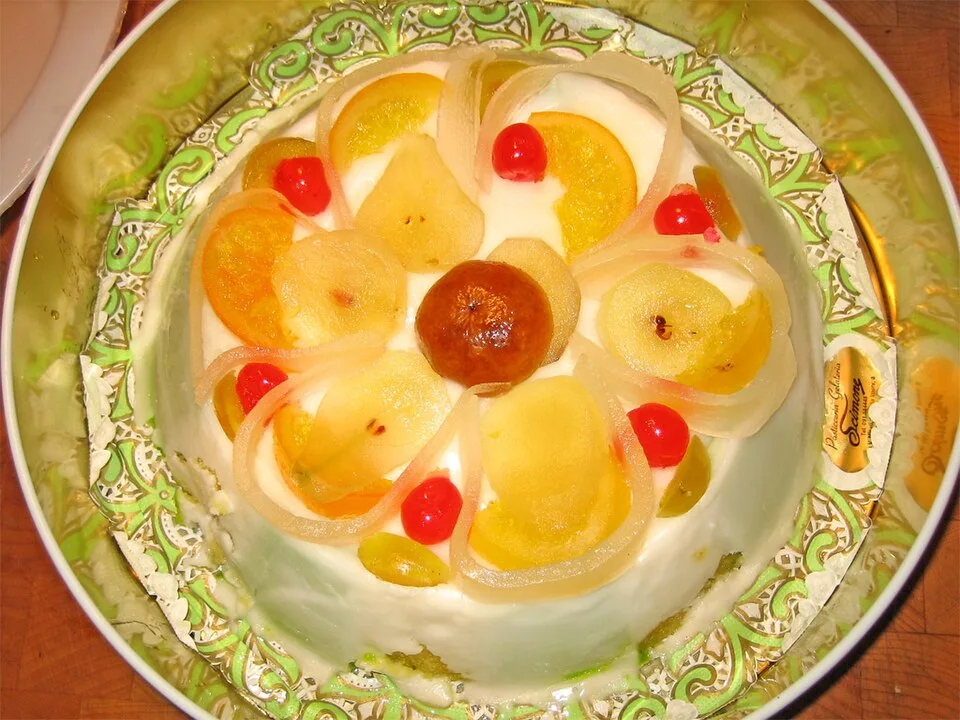
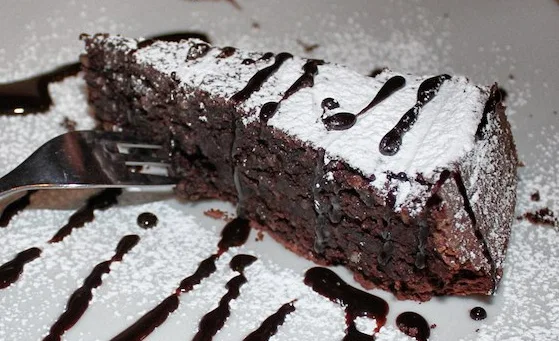
Sicily offers ricotta-filled cannoli, decorated cassata and icy granita. Campania provides the crisp layers of sfogliatella and the chocolate-and-almond crumb of torta caprese. Northern examples include panna cotta and panettone. These associations help organize a first tasting without suggesting that a sweet is eaten only in the place most closely linked with it.
Compare the texture
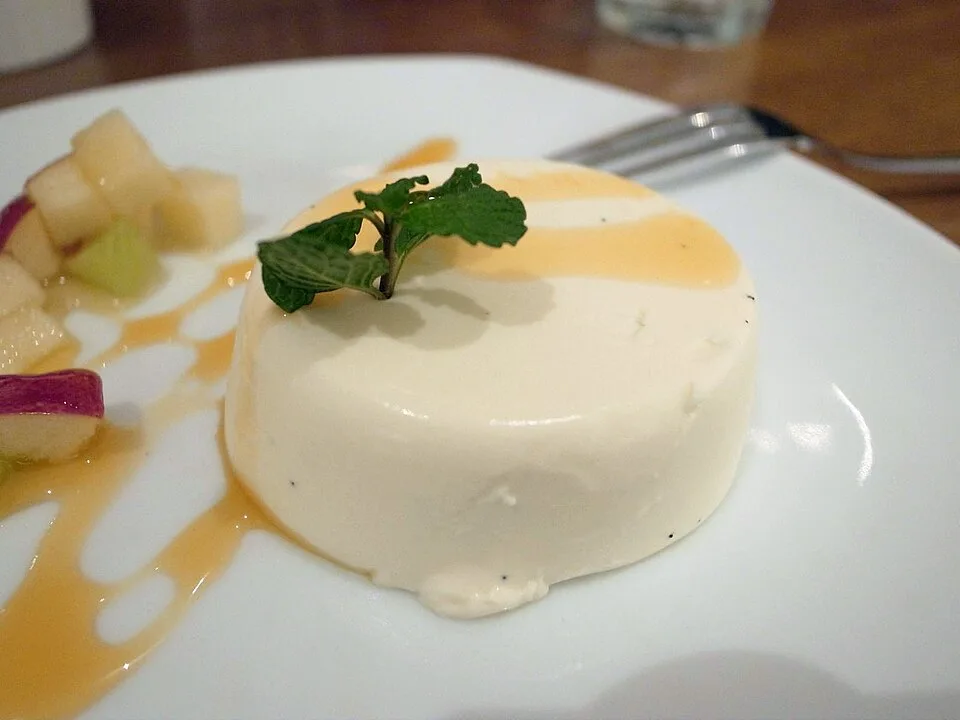
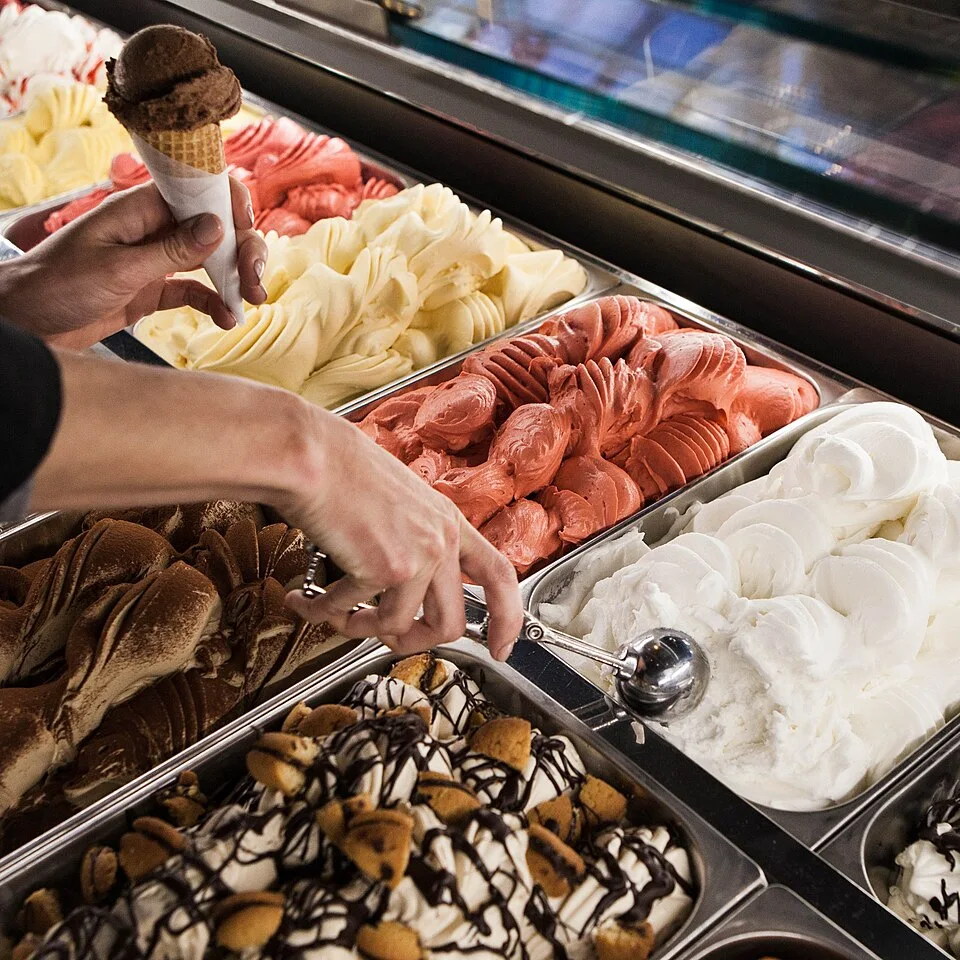
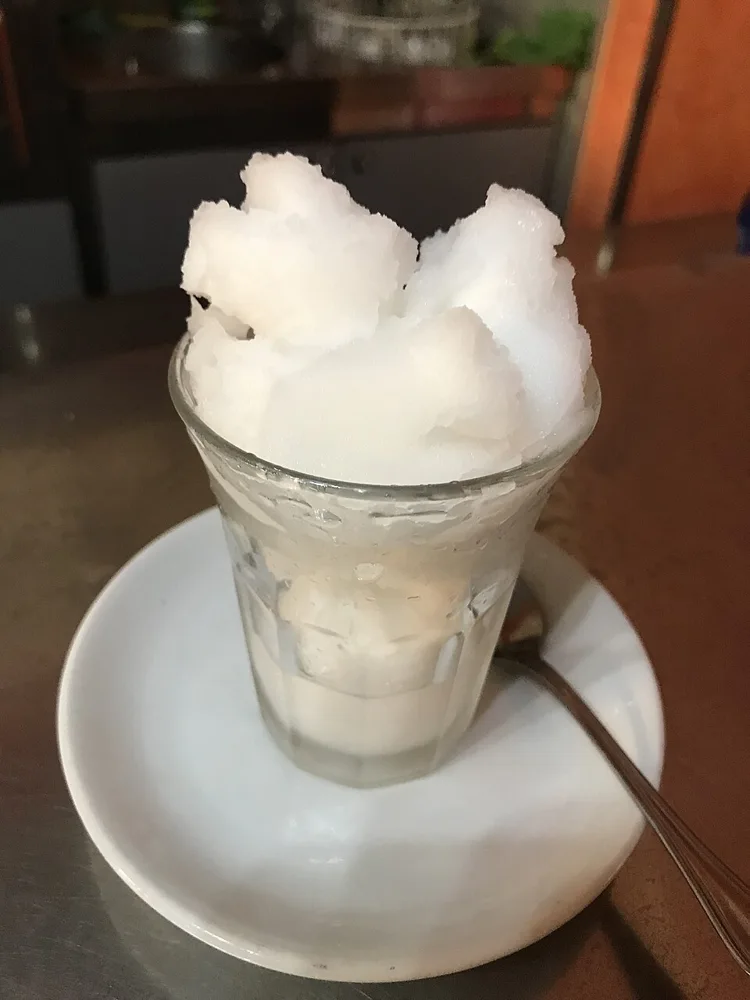
A filled pastry, a set cream and a frozen dessert are different experiences even when all three are sweet. Cannoli depend on a crisp shell; panna cotta yields softly to a spoon; granita retains a structure of ice crystals. Gelato and granita should not be treated as two names for the same frozen preparation.
Leave room for the occasion
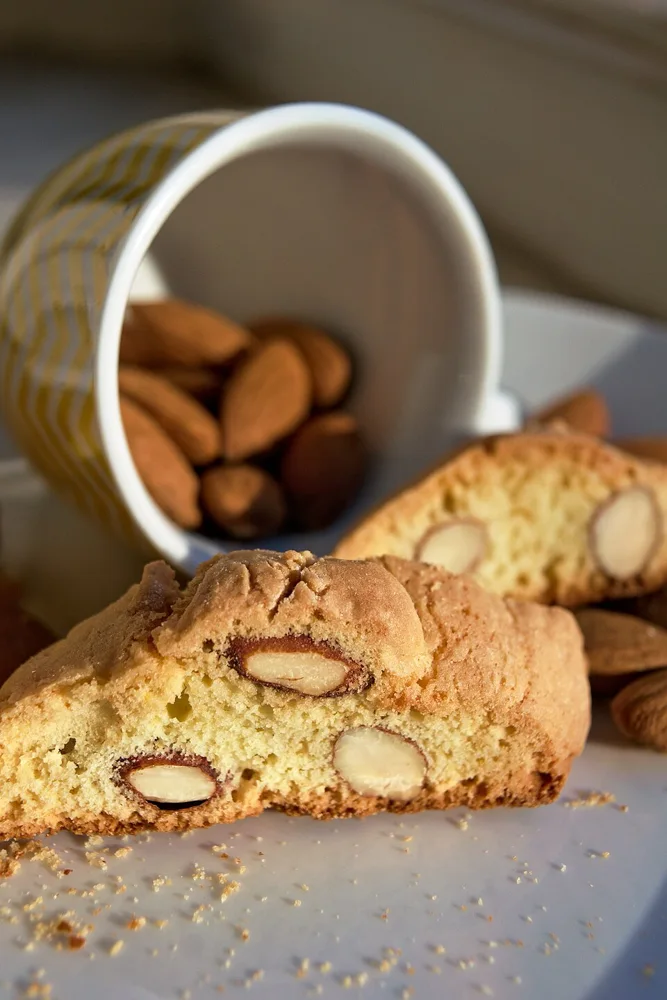
Panettone has a strong festive association, while cantucci can accompany a drink and sfogliatella can be a breakfast pastry. Desserts in this directory include sweet foods that do not all appear at the end of a formal meal. Serving traditions and portion sizes make more sense when considered alongside the food itself.
A few useful distinctions
How do gelato and granita differ?
Gelato is a frozen dessert often associated with a smooth, dense texture, while granita is made with an intentionally icy structure. Their ingredients and serving traditions vary. Neither name alone guarantees the absence of dairy, eggs or nuts.
Are panna cotta and tiramisu similar?
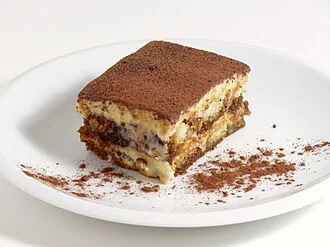
They are structurally different. Panna cotta is a set cream dessert, often using gelatin. Tiramisu layers coffee-soaked ladyfingers with a mascarpone mixture and cocoa. Their ingredients, textures and preparation methods differ.
Do all these sweets contain alcohol?
No, but alcohol can appear in some preparations. Tiramisu may include it, pastry doughs or cake syrups can use it, and cantucci are sometimes paired with Vin Santo. Ask about the actual food and accompaniment rather than assuming that a dessert name establishes every ingredient.