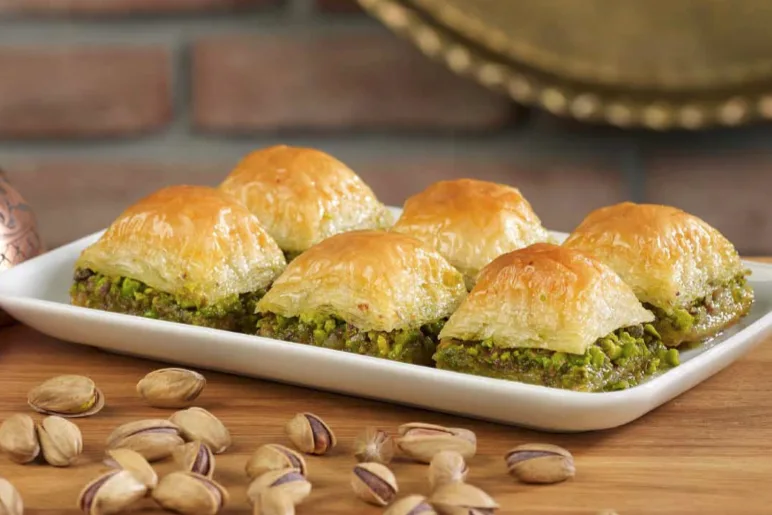
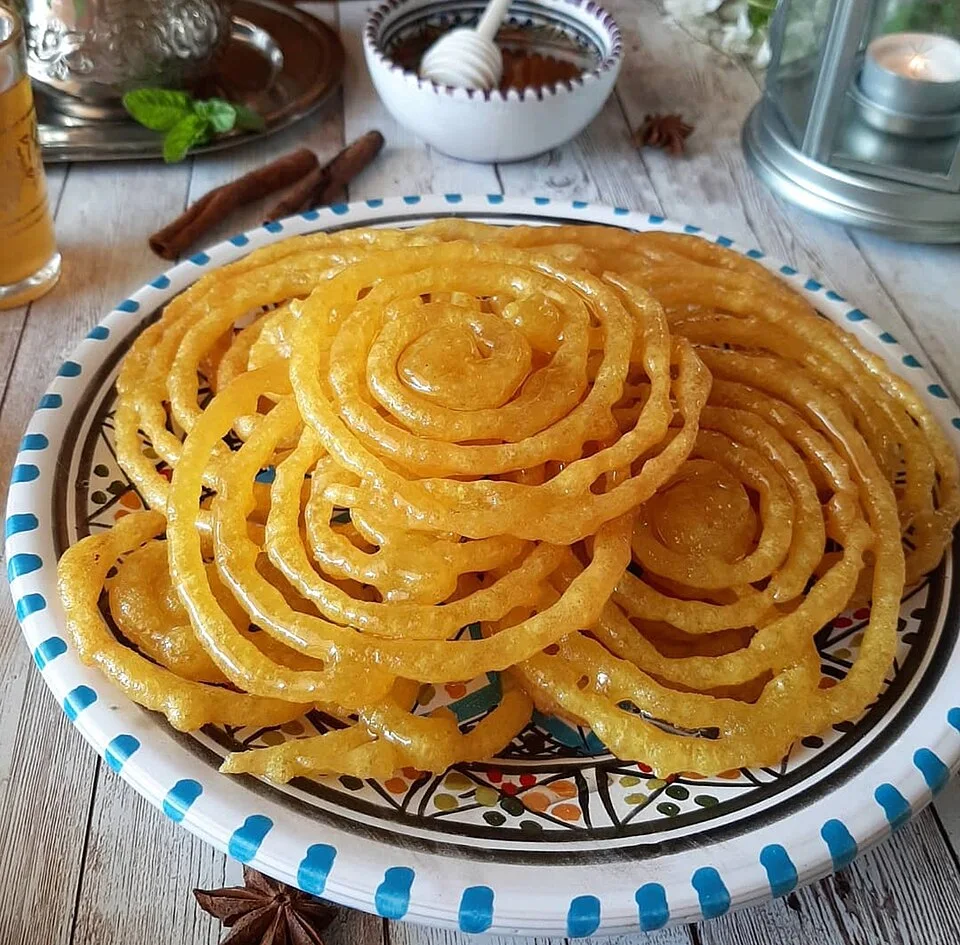
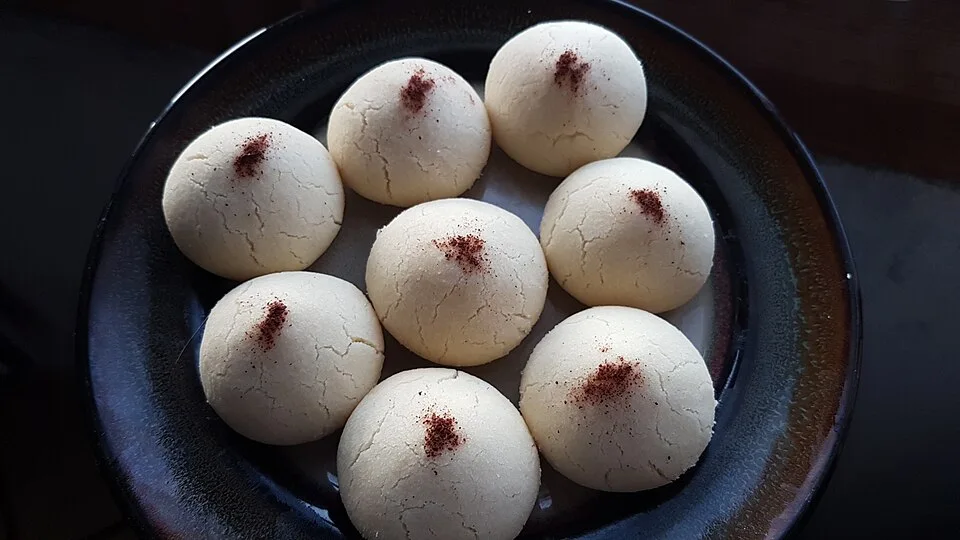
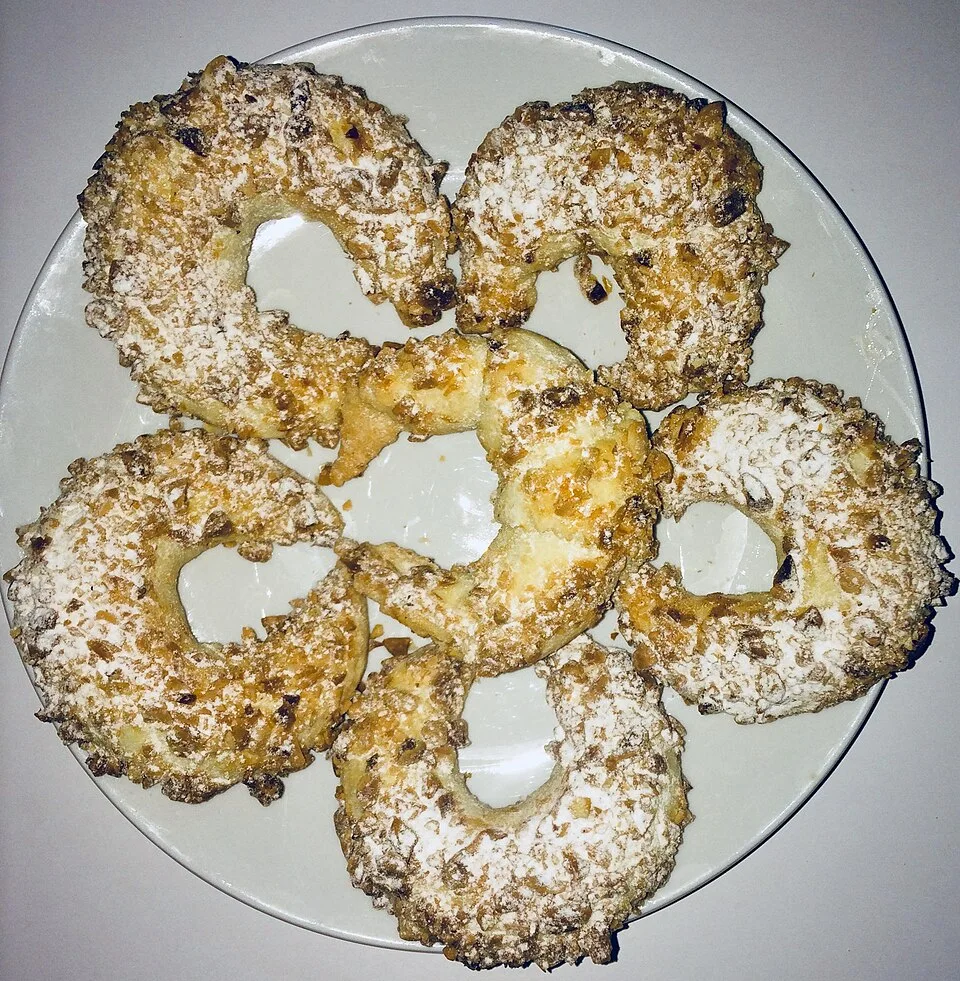
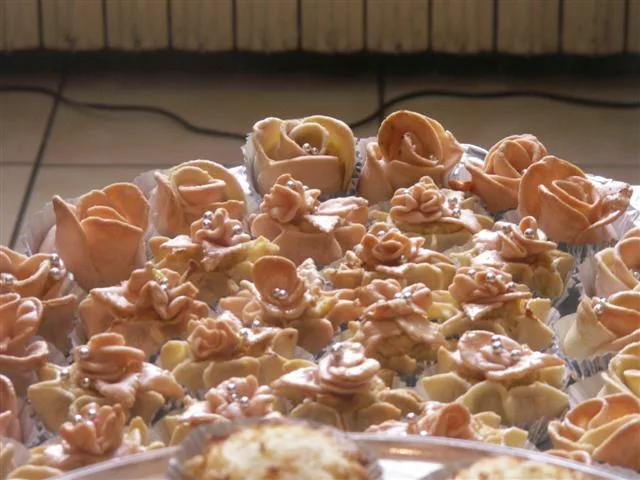
Algerian sweets are easier to explore when you compare their structure. Makrout wraps a filling in a crumbly semolina shell; kalb el louz is baked in a tray and soaked with syrup. Ghribia breaks delicately, while baklawa relies on layered pastry. These differences tell you more about the eating experience than sweetness alone.
Follow the ingredient
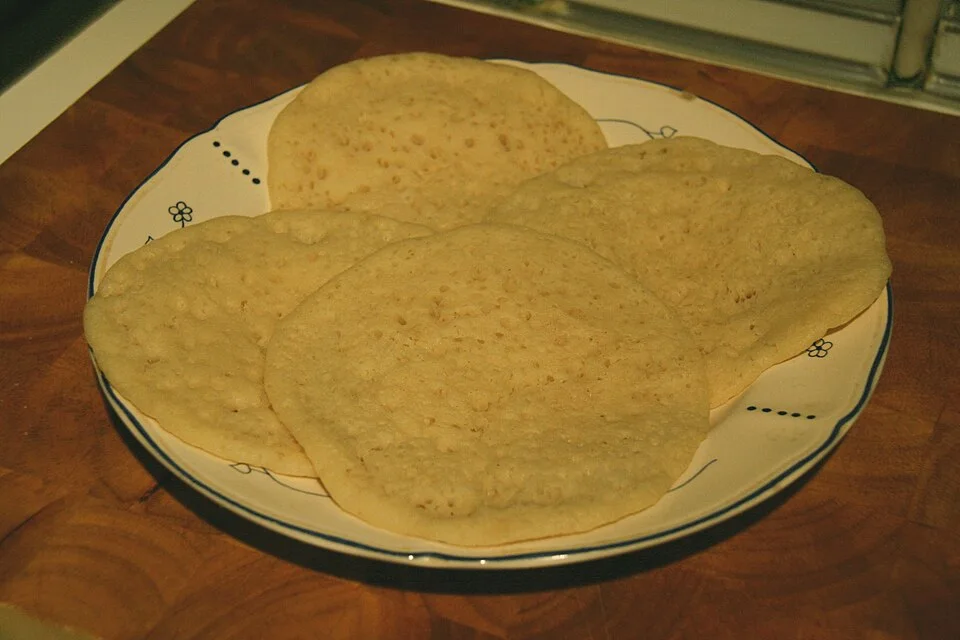
Semolina, dates, almonds, butter, honey and fragrant waters recur, but they do different work in each sweet. Almonds form a filling in tcharek and much of the body of dziriat. Toasted semolina gives tamina its flavor, while the holes in baghrir absorb a topping. Shared ingredients do not make these foods interchangeable.
Think beyond a dessert course
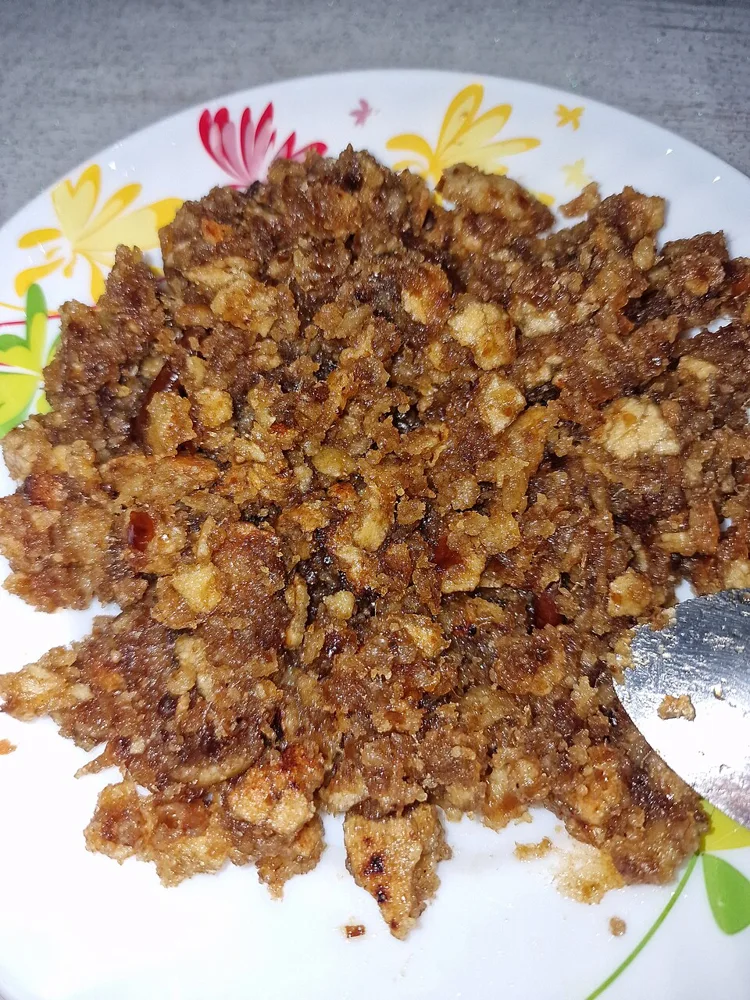
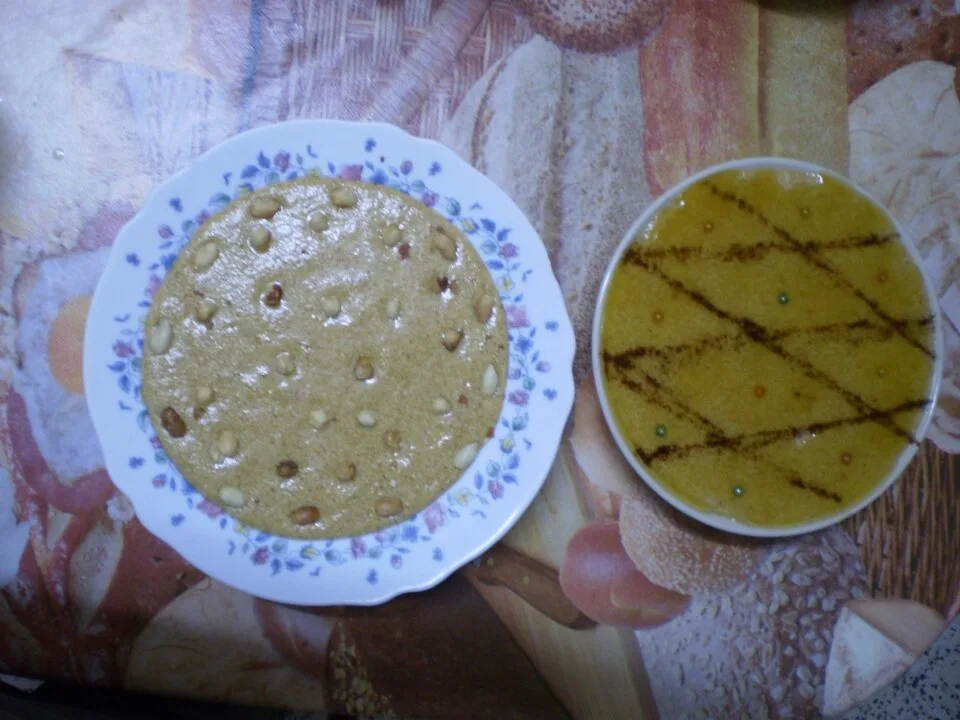
These foods do not all belong to the same moment of a meal. Small pastries may accompany tea or coffee, baghrir can be a breakfast or snack, and tamina has a place in family celebrations. This guide groups sweet foods for discovery, while each profile explains more about how a particular preparation is served.
Semolina, dates & honey
Different ways to turn a pantry staple into a sweet worth sharing.
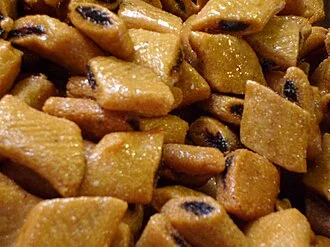
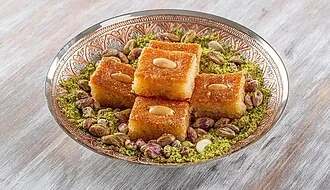
Makrout commonly has a semolina casing around dates or another filling and is cut into individual pieces. Kalb el louz is a tray-baked semolina sweet soaked in syrup. They share some ingredients but have different structures and textures.
What should I choose with coffee?
A small ghribia, a tcharek or a piece of baklawa offers a useful contrast to a short coffee. Makrout also pairs well with tea. There is no required national pairing; portion size and your preference for nuts, dates or syrup matter more.
Are the sweets dairy-free or nut-free?
Many contain butter, milk, eggs or nuts. Even a pastry without visible nuts can have an almond filling or be prepared alongside other nut sweets. Ask about the actual ingredients and preparation; the directory describes common versions, not allergen-controlled products.